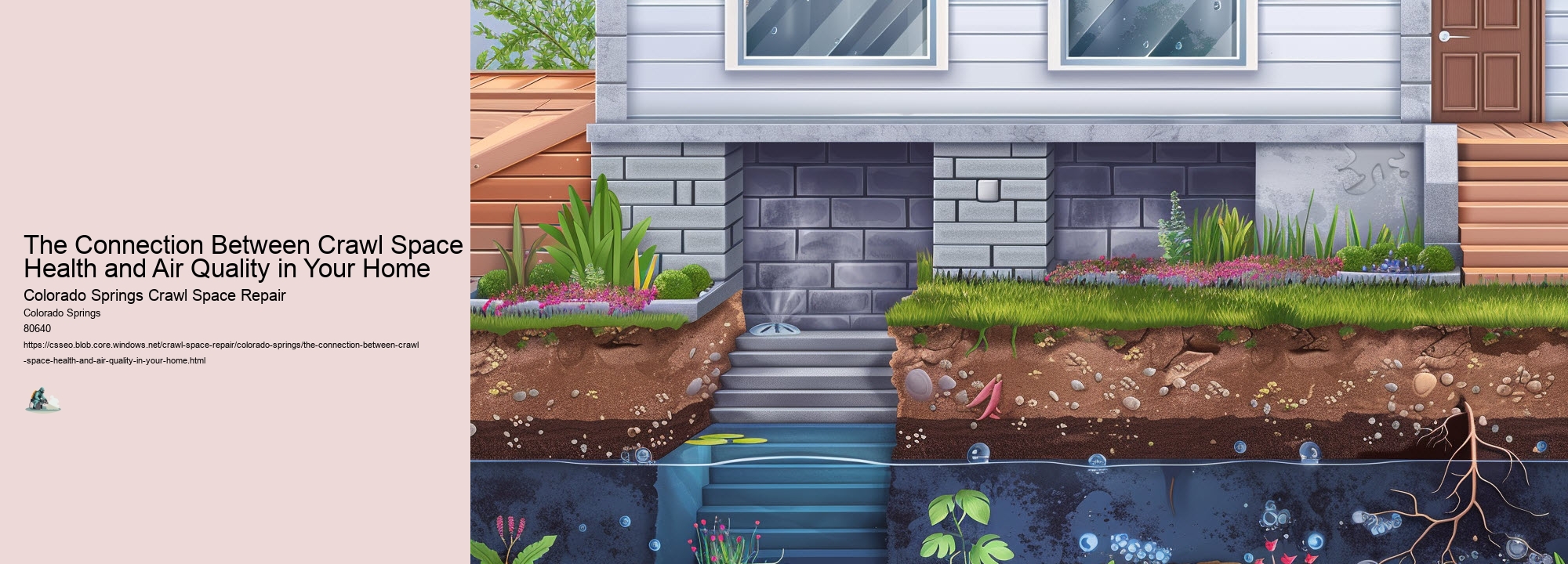
Maintaining a healthy crawl space is more vital than you might think. Imagine the invisible link between crawl space conditions and the air you breathe at home. Seemingly isolated, your crawl space can influence the overall air quality surrounding you. Curious to discover how this connection can impact your daily life? Stay tuned for insights on how a neglected crawl space could be silently affecting your indoor environment.
Crawl Space Health Impacts
Exposure to a poorly maintained crawl space can have significant adverse effects on both the structural integrity of your home and your overall health.
Moisture accumulation in crawl spaces can lead to mold growth, which releases spores into the air. These spores, when inhaled, can cause respiratory issues such as coughing, wheezing, and throat irritation. In addition, mold spores can exacerbate conditions like asthma and allergies.
Besides mold, poorly maintained crawl spaces are breeding grounds for pests like rodents and insects. These pests can introduce allergens and pathogens into your home, impacting indoor air quality and potentially leading to health problems.
Additionally, a compromised crawl space can also affect the structural foundation of your home, as excess moisture can weaken wood supports and promote rot. Regular inspection and maintenance of your crawl space are essential to safeguarding both your home's structural integrity and your health.
Common Air Quality Issues
Common air quality issues in crawl spaces primarily stem from moisture accumulation and the resulting mold growth, which can impact the air quality in your home to a great extent. Here are some common air quality issues associated with crawl spaces:
- Mold Spores: Mold growth in crawl spaces can release spores that become airborne and are then circulated throughout your home, leading to respiratory issues.
- Musty Odors: Accumulated moisture in crawl spaces can create a musty smell that permeates your living spaces and affects indoor air quality.
- Increased Humidity: Excess moisture in crawl spaces can raise the overall humidity levels in your home, creating an environment conducive to mold and mildew growth.
- Pest Infestations: Damp crawl spaces can attract pests like insects and rodents, whose droppings and dander can worsen air quality and pose health risks.
Moisture and Mold Growth
Moisture accumulation in crawl spaces provides an ideal environment for mold growth, which can greatly impact the air quality within your home. When excess moisture is present in crawl spaces, it creates a conducive setting for mold spores to thrive.
Mold growth not only deteriorates the structural integrity of your home but also poses serious health risks. As mold colonies multiply, they release spores into the air. Once airborne, these spores can be inhaled, leading to respiratory issues, allergies, and other health complications.
To tackle moisture and mold issues in your crawl space, it's essential to address the root cause of the problem. Implementing proper ventilation systems, installing vapor barriers, and ensuring adequate drainage can help mitigate moisture buildup.
Regular inspections and maintenance are vital in preventing mold growth. Additionally, promptly fixing any leaks or water intrusions can greatly reduce the risk of mold proliferation. By maintaining a dry and well-ventilated crawl space, you can safeguard your home's air quality and the health of its occupants.
Pest Infestation Concerns
Addressing pest infestation concerns in crawl spaces requires diligent monitoring and proactive measures to prevent potential infestations. Pests can't only damage the structure of your home but also pose health risks and degrade indoor air quality.
Here are some key considerations to keep in mind:
- Sealing Entry Points: Inspect and seal any cracks, gaps, or openings in the crawl space walls and foundation to prevent pests from entering.
- Proper Ventilation: Guarantee adequate ventilation in the crawl space to deter pests that thrive in damp, stagnant environments.
- Regular Inspections: Conduct routine inspections to identify signs of pest activity such as droppings, gnaw marks, or nests.
- Professional Pest Control: In cases of severe infestations, seek the assistance of pest control professionals to effectively eradicate pests and prevent future occurrences.
Insulation and Air Quality
Examining the insulation in your crawl space is essential for maintaining excellent air quality within your home. Important insulation plays a vital role in regulating temperature, moisture levels, and air circulation, all of which directly impact the overall air quality in your living space.
Insulation helps prevent outdoor pollutants, allergens, and mold from entering your home through the crawl space, thereby reducing the risk of respiratory issues and other health concerns. Inadequate insulation can lead to moisture buildup, which creates a breeding ground for mold and mildew. These contaminants can greatly degrade indoor air quality, causing respiratory problems and exacerbating allergies.
Additionally, poor insulation can result in temperature differentials that may lead to condensation, further contributing to mold growth and air quality issues.
Improving Your Home Environment
In order to enhance the overall air quality and health of your living space, it's vital to explore various strategies for improving your home environment. Implementing these measures can greatly impact the air you breathe indoors.
Here are some key steps to contemplate:
- Ventilation: Guarantee proper ventilation in your home to reduce indoor air pollutants and maintain fresh air circulation.
- Humidity Control: Manage humidity levels to prevent mold growth and dust mites, which can affect air quality.
- Regular Cleaning: Dust, vacuum, and mop regularly to minimize dust, allergens, and pollutants in your home.
- Indoor Plants: Incorporate indoor plants known for air-purifying properties to help filter out toxins and improve air quality.
Frequently Asked Questions
Can Crawl Space Health Affect My Family's Respiratory Health?
Crawl space health can have a substantial impact on your family's respiratory health. Issues such as mold growth, pest infestations, and poor ventilation in the crawl space can lead to the spread of allergens and pollutants throughout your home.
These contaminants can trigger respiratory issues like asthma and allergies in your family members. Ensuring good crawl space health through proper ventilation, moisture control, and regular inspections is essential for maintaining clean indoor air quality.
How Do I Prevent Pests From Entering My Crawl Space?
To prevent pests from accessing your crawl space, start by sealing all entry points like gaps and cracks. Use mesh screens or hardware cloth to cover vents.
Remove any debris or organic matter near the crawl space as it attracts pests. Consider installing a moisture barrier to reduce dampness, which can also attract pests.
Regularly inspect and maintain your crawl space to guarantee pest prevention measures remain effective.
Will Improving Crawl Space Insulation Reduce Energy Bills?
Improving crawl space insulation can lead to reduced energy bills by minimizing heat loss and improving overall energy efficiency.
Properly insulated crawl spaces help maintain a more stable indoor temperature, reducing the workload on your HVAC system and ultimately lowering your energy consumption.
What Are the Signs of Mold Growth in a Crawl Space?
To recognize mold growth in a crawl space, watch for musty odors, visible mold patches, or water stains.
Mold thrives in damp, dark spaces and can harm air quality.
If you suspect mold, address the issue promptly to prevent further damage and potential health risks.
Regular inspections and moisture control can help maintain a healthy crawl space environment.
Can Poor Crawl Space Ventilation Impact Indoor Air Quality?
Poor crawl space ventilation can indeed impact indoor air quality. When air circulation in the crawl space is inadequate, it can lead to a buildup of moisture, which creates an ideal environment for mold growth.
As mold spores spread, they can enter your home's living spaces, causing potential health issues for you and your family. Proper ventilation is essential to prevent these problems and maintain a healthy indoor environment.
Conclusion
In summary, maintaining a healthy crawl space is vital for ensuring good indoor air quality in your home. Addressing moisture issues, preventing mold growth, and keeping pests at bay are essential steps in creating a safe and comfortable living environment.
By taking proactive measures to care for your crawl space, you can improve the overall air quality in your home and promote a healthier living environment for you and your family.
The Ultimate Guide to Crawl Space Repair in Colorado Springs
Crawl Space Repair Emergencies: What Colorado Springs Homeowners Should Do